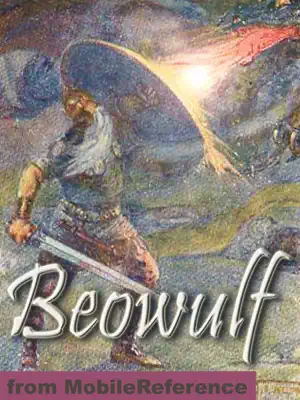
Beowulf
Anonymous, William Morris (Translator), A. J. Wyatt (Translator)
£0.49
Buy on Amazon View on Apple BooksPrefer it in print? See every format on Amazon →
Price on Apple Books. Amazon’s price may differ.
- Published
On the charts
| Position | Best | Days | |
|---|---|---|---|
| Poetry | #65 ▲12 | #77 | 9 |
For authors: put this badge on your website

Copy this code into your website or blog:
Description
Beowulf is an Old English heroic epic poem of unknown
authorship, dating as recorded in the Nowell Codex manuscript from between the
8th to the early 11th century, and relates events
described as having occurred in what is now Denmark and Sweden. Commonly cited
as one of the most important works of Anglo-Saxon literature, Beowulf has
been the subject of much scholarly study, theory, speculation, discourse, and,
at 3182 lines, has been noted for its length.
In the poem, Beowulf, a hero of the Geats, battles three antagonists: Grendel, who has been attacking the mead hall in Denmark called Heorot and its inhabitants; Grendel's mother; and, later in life after returning to Geatland (modern southern Sweden) and becoming a king, he fights an unnamed dragon. Beowulf is fatally wounded in the final battle, and after his death he is buried in a barrow in Geatland by his retainers.
-- Excerpted from Wikipedia, the free encyclopedia.