Upanishads
- 発売日
- ジャンル
- ヒンズー教宗教/スピリチュアル
ランキング
| 順位 | 最高 | 日数 | |
|---|---|---|---|
| ヒンズー教 | #47 ▼1 | #45 | 7 |
著者の方へ:このバッジをサイトに貼れます

このコードをサイトやブログに貼り付けてください:
内容紹介
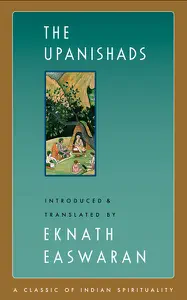
The Upanishads are late Vedic Sanskrit texts that supplied the basis of later Hindu philosophy. They are the most recent part of the Vedas, the oldest scriptures of Hinduism, and deal with meditation, philosophy, consciousness, and ontological knowledge; earlier parts of the Vedas deal with mantras, benedictions, rituals, ceremonies, and sacrifices. While among the most important literature in the history of Indian religions and culture, the Upanishads document a wide variety of "rites, incarnations, and esoteric knowledge" departing from Vedic ritualism and interpreted in various ways in the later commentarial traditions. Of all Vedic literature, the Upanishads alone are widely known, and their diverse ideas, interpreted in various ways, informed the later traditions of Hinduism.
The authorship of most Upanishads is unknown. Radhakrishnan states, "almost all the early literature of India was anonymous, we do not know the names of the authors of the Upanishads". The ancient Upanishads are embedded in the Vedas, the oldest of Hinduism's religious scriptures, which some traditionally consider to be apauruṣeya, which means "not of a man, superhuman" and "impersonal, authorless". The Vedic texts assert that they were skillfully created by Rishis (sages), after inspired creativity, just as a carpenter builds a chariot.
Translated and Commentated by Swami Paramananda
Paramananda (1884–1940) was a swami and one of the early Indian teachers who went to the United States to spread the Vedanta philosophy and religion there. He was a mystic, a poet and an innovator in spiritual community living.