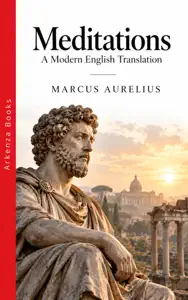
The Thoughts of the Emperor Marcus Aurelius Antoninus
0,99 €
Comprar en Amazon Ver en Apple Books¿Lo prefieres en papel? Todos los formatos en Amazon →
Precio en Apple Books. En Amazon puede ser otro.
- Publicado
Descripción
For nearly two thousand years, the private reflections of Marcus Aurelius, Roman emperor and Stoic philosopher, have inspired readers seeking wisdom, clarity, and inner strength.
Written not as a public work but as personal notes to himself, The Thoughts of the Emperor Marcus Aurelius Antoninus offers an extraordinary glimpse into the mind of one of history’s most thoughtful rulers.
During a life spent commanding armies and governing a vast empire, Marcus Aurelius continually returned to philosophy as a guide for living well. In these reflections he reminds himself to remain calm in adversity, humble in success, and mindful of the fleeting nature of life.
Drawing deeply from the Stoic tradition, his writings explore timeless questions:
• How can we remain calm during hardship?
• What does it mean to live according to reason and virtue?
• How should we treat others in a world full of uncertainty?
• What truly matters in the brief span of human life?
Rather than presenting philosophical arguments in formal structure, Marcus Aurelius writes in short meditative passages—clear, powerful reflections intended to strengthen character and guide daily conduct.
His thoughts emphasize discipline of the mind, acceptance of fate, compassion toward others, and the importance of living in harmony with nature.
Over centuries this remarkable work has influenced philosophers, leaders, writers, and readers searching for practical wisdom. Today it remains one of the most widely read texts of Stoic philosophy.
This illustrated edition presents the classic translation by George Long, carefully formatted for modern readers while preserving the timeless voice of Rome’s philosopher-emperor.
Perfect for readers interested in:
• Stoic philosophy
• classical wisdom literature
• ancient Roman history
• personal reflection and self-discipline
• timeless philosophical classics