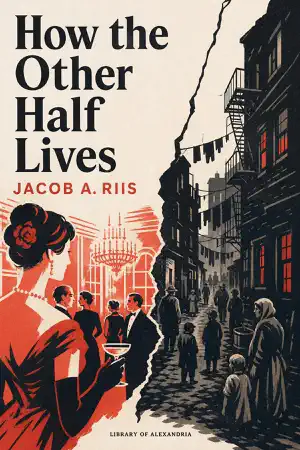
How the Other Half Lives
9,99 €
Bei Amazon kaufen Bei Apple Books ansehenLieber gedruckt? Alle Ausgaben bei Amazon →
Preis bei Apple Books. Bei Amazon kann er abweichen.
- Erschienen
Beschreibung
Behind the wealth of Gilded Age New York lay crowded rooms, dangerous work, and children growing up in poverty. Jacob A. Riis insisted that the city look at what it preferred not to see.
First published in 1890, How the Other Half Lives is a landmark of American investigative journalism and social reform writing. Drawing on firsthand observations, Riis takes readers into New York's tenement districts to examine the conditions endured by immigrant communities and the working poor. Overcrowding, inadequate sanitation, disease, and exploitation emerge not as isolated misfortunes but as urgent matters of public responsibility.
Riis connects the spaces people inhabit with their chances of health, security, and opportunity. His accounts of child labor and struggling households press a question that remains familiar: what does a prosperous city owe the people whose labor sustains it? The book also bears the assumptions and prejudices of its era, making it a revealing historical document as well as an impassioned appeal for reform. Its lasting force lies in bringing neglected lives into public debate and asking readers to confront the distance between wealth and want.
What readers find inside:
Tenement conditions - Close observations reveal the human consequences of overcrowded housing and poor sanitation.Immigrant New York - Riis describes communities seeking a livelihood amid the pressures of a rapidly growing city.Childhood hardship - The experiences of children expose the toll of poverty, labor, and insecure homes.Urban inequality - The contrast between prosperity and deprivation raises enduring questions about opportunity and responsibility.The case for reform - Riis urges public attention to housing and living conditions rather than accepting suffering as inevitable.
This work will reward readers of New York history, students of investigative journalism, and anyone interested in the historical roots of housing inequality and social reform.
Step into the tenement districts of nineteenth-century New York and encounter a challenge to look more closely at city life.


