
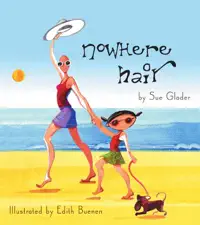





The Importance of Children's Fiction Books
Children's fiction books play a crucial role in a child's development. Not only do they provide entertainment and enjoyment, but they also help nurture a child's imagination, creativity, and cognitive abilities. Reading fiction allows children to escape into new worlds, meet interesting characters, and learn valuable life lessons. In this article, we will explore the significance of children's fiction books and why they are an essential part of any child's library.
The Power of Imagination
Children's fiction books are filled with magical worlds, fantastical creatures, and extraordinary adventures. By immersing themselves in these stories, children are able to exercise their imagination and creativity. They can visualize the settings, characters, and events described in the books, which helps them develop their creative thinking skills. This ability to imagine and create is essential for problem-solving and critical thinking later in life.
Moral and Ethical Development
Many children's fiction books contain moral and ethical lessons that help children navigate the complexities of the world around them. Through the experiences of the characters in these stories, children can learn about empathy, kindness, courage, and perseverance. They can see the consequences of actions and decisions, and understand the importance of making good choices. These lessons help shape their values and beliefs, and contribute to their emotional development.
Language and Literacy Skills
Reading children's fiction books is a great way to improve language and literacy skills. Children are exposed to new vocabulary, sentence structures, and writing styles that help expand their language abilities. They also learn about storytelling techniques, plot development, and character building, which enhance their reading comprehension and writing skills. Developing strong language and literacy skills at a young age is crucial for academic success and lifelong learning.
Emotional Intelligence
Children's fiction books often explore complex emotions and relationships, helping children develop emotional intelligence. They learn to identify and understand their own feelings, as well as the emotions of others. By empathizing with the characters in the stories, children can learn to regulate their emotions, communicate effectively, and build healthy relationships. Emotional intelligence is a key component of social and emotional development, and can greatly benefit children in their personal and social lives.
Encouraging a Love for Reading
One of the most important benefits of children's fiction books is that they help foster a love for reading. When children are captivated by a story, they are more likely to develop a positive attitude towards reading. This love for reading can lead to a lifelong passion for books and learning. By offering a wide variety of children's fiction books, you can inspire young readers to explore new genres, authors, and stories, and cultivate a habit of reading for pleasure and personal growth.
In conclusion, children's fiction books are an invaluable resource for parents, educators, and children themselves. They provide entertainment, education, and inspiration, and contribute to a child's overall development. By offering a diverse selection of children's fiction books, you can help nurture a love for reading, stimulate imaginations, and instill important values and life skills. Remember, a well-stocked library of children's fiction books is a treasure trove waiting to be discovered by young readers.