A Susan Sontag Reader
$12.99
Buy on Amazon View on Apple BooksPrefer it in print? See every format on Amazon →
Price on Apple Books. Amazon’s price may differ.
- Published
Description
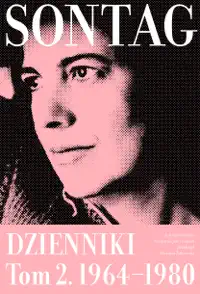
Susan Sontag occupies a special place in Modern American letters. She has become our most important critic, while her brilliant novels and short fiction are, at long last, getting the recognition they deserve. Sontag is above all a writer, which is only to say that, though the form may differ, there is an essential unity in all her work. The truth of this is perhaps more evident in A Susan Sontag Reader than in any of Sontag's individual books. The writer selected a sampling of her work, meaning the choice both to reflect accurately a career and also to guide the reader toward those qualities and concerns which she prizes in her own writing.
A Susan Sontag Reader is arranged chronologically and draws on most of Sontag's books. There are selections from her two novels, The Benefactor and Death Kit, and from her collections of short stories, I, etcetera. The famous essays from the 1960s--"Against Interpretation," "Notes on Camp," and "On Style"--which established Sontag's reputation and can be fairly said to have shaped the cultural views of a generation are included, as are selctions from her two subsequent volumes of essays, Styles of Radical Will and Under the Sign of Satury. A part of Sontag's best-selling On Photography is also included.
It is astonishing to read these works when they are detached from the books they appeared in and offered instead in the order in which Sontag wrote them. The connections between various literary forms, the progression of themes, are revealed in often startling ways. Moreover, Sontag has included a long interview in which she moves mroe informally over the whole range of her concerns and of her work. The volume ends with "Writing Itself," a previously uncollected essay on Roland Barthes which, in the eyes of many, is one of Sontag's finest achievements.
This collection is, in a sense, both a self-potrait and a key for a reader to understand the work of one of the most imporant writers of our time.