Sultana Razia
R$ 6,90
Comprar na Amazon Ver no Apple BooksPrefere em papel? Todos os formatos na Amazon →
Preço no Apple Books. Na Amazon pode ser diferente.
- Publicado
Nas listas
| Posição | Melhor | Dias | |
|---|---|---|---|
| Quadrinhos | #18 | #18 | 9 |
Para autores: coloque este selo no seu site

Copie este código no seu site ou blog:
Descrição
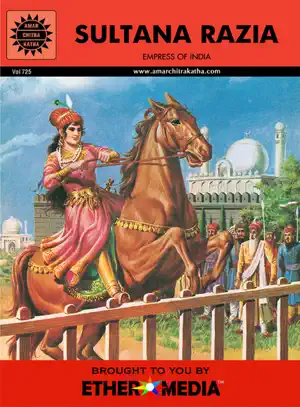
SULTANA RAZIA
Empress of India
Razia was the daughter of the king of one of the Muslim dynasties that ruled Delhi in the 13th century. Though a woman was not easily allowed to rule over a people in those days, she had all the qualities required in an administrator. Her father therefore willed her heir to the throne in preference to her less able stepbrothers.
Sensing the objections from courtiers to her ascension to the throne, Razia proclaimed allegiance to one of her stepbrother. He however turned out to be inefficient and Razia was made the queen. She proved herself a just and fair ruler, and abolished the tax on Hindu subjects for their non-islamic faith. Court intrigues continued against her and Sultana (queen) Razia could rule for barely three and a half years. She died in one of the battles with the courtiers, "for no fault other than that she was a woman" as a historian said.