









































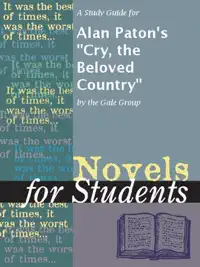

The Importance of Literary Criticism Books
Literary criticism books play a crucial role in the world of literature. They provide in-depth analysis, interpretation, and evaluation of literary works, helping readers gain a deeper understanding of their meaning and significance. These books are essential for students, scholars, and enthusiasts who want to explore the complexities of literature and appreciate the artistry of renowned authors.
Enhancing Interpretation Skills
One of the primary benefits of reading literary criticism books is that they help enhance interpretation skills. By delving into the analysis and commentary provided by critics, readers can gain a more profound insight into the themes, characters, and symbolism present in a particular work. This, in turn, allows them to form their interpretations and develop a deeper appreciation for the text.
Exploring Different Perspectives
Literary criticism books also offer readers the opportunity to explore different perspectives and approaches to analyzing literature. Critics often bring unique insights and interpretations to the table, shedding light on aspects of a work that may not be immediately apparent. By engaging with these diverse viewpoints, readers can broaden their understanding of a text and consider its significance from multiple angles.
Contextualizing Literary Works
Another crucial aspect of literary criticism books is their ability to contextualize literary works within their historical and cultural settings. Critics often provide background information, references to other works, and insights into the author's life and influences. This contextualization helps readers better appreciate the context in which a work was created and understand how it reflects the concerns and values of its time.
Exploring Different Schools of Criticism
One of the fascinating aspects of literary criticism is the diverse range of critical approaches that scholars employ. From formalist criticism to feminist theory, postcolonial studies to deconstruction, there are countless schools of criticism that offer unique perspectives on literature. By reading books that delve into these different approaches, readers can gain a comprehensive understanding of the complexities of literary analysis.
Formalist Criticism
Formalist criticism focuses on the text itself, examining its structure, language, and literary devices. This approach emphasizes close reading and analysis of the aesthetic qualities of a work, looking at how its form contributes to its meaning. Literary criticism books that delve into formalist approaches can help readers appreciate the craftsmanship and artistry of a text.
Feminist Criticism
Feminist criticism examines literature through the lens of gender and power dynamics, exploring how texts reflect and perpetuate patriarchal norms. By reading books that explore feminist perspectives on literature, readers can gain insight into how gender shapes narratives, characters, and themes. This approach highlights the importance of diversity and representation in literature.
Postcolonial Criticism
Postcolonial criticism examines literature from former colonies and explores how texts engage with issues of colonialism, imperialism, and cultural identity. By reading books that delve into postcolonial theory, readers can gain a deeper understanding of the legacy of colonialism and its impact on literature. This approach emphasizes the importance of decolonizing the literary canon and giving voice to marginalized perspectives.
Benefits of Selling Literary Criticism Books
For a bookstore focused on selling books in Australia, offering a diverse selection of literary criticism books can be highly beneficial. Australian readers are known for their appreciation of literature and intellectual curiosity, making them likely candidates for exploring critical works. By stocking a wide range of literary criticism books, a bookstore can cater to the interests of students, academics, and literary enthusiasts, enhancing its reputation as a destination for literary exploration.
In conclusion, literary criticism books are essential for gaining a deeper understanding of literature and exploring diverse critical perspectives. By delving into the analysis, interpretation, and evaluation provided by critics, readers can enhance their interpretation skills, broaden their perspectives, and contextualize literary works within their historical and cultural settings. For a bookstore looking to attract readers in Australia, offering a diverse selection of literary criticism books can be a strategic move that appeals to the country's vibrant literary community.